
Enhancing Efficiency in Material Handling and Sieving of material
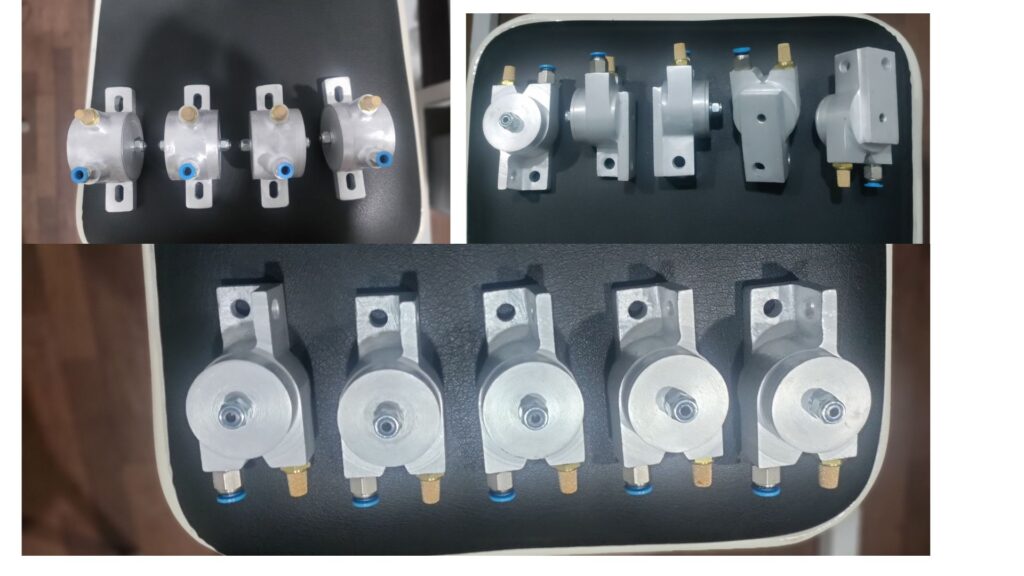
In industrial operations, achieving efficient material flow and handling is crucial to maintaining productivity and reducing downtime. One of the most effective tools for optimizing material movement in industrial applications is the pneumatic vibrator. Pneumatic vibrator is also very helpful device to facilitate the sieving of material in powder or slurry form of material. These devices, powered by compressed air, are used across a wide range of industries to solve challenges such as material blockages, uneven flow, and the accumulation of residues in containers and processing equipment.
What Are Pneumatic Vibrators?
Pneumatic vibrators are mechanical devices that generate vibrations through the use of compressed air. These vibrations are transmitted to hoppers, silos, chutes, bins, or any equipment handling bulk materials. The primary goal of these vibrations is to facilitate material flow, prevent clogs, and improve the efficiency of conveying or storage systems. To sieve any material mesh needs shaking. To meet the shaking requirement Pneumatic Vibrator can be used. Pneumatic vibrators come in different types, including:
- Ball or Turbine Vibrators: Designed for high-frequency, low-amplitude vibrations, often used in lightweight material applications.
- Rotary Vibrators: Featuring rotating components that create centrifugal force to generate vibrations.
- Linear Vibrators: Producing vibrations in a linear motion for targeted applications.
Key Industrial Applications
Pneumatic vibrators are versatile tools with applications spanning numerous industries. Below are some of the most common uses:
- Material Handling and Transport
- Pneumatic vibrators are essential for ensuring smooth material flow in hoppers, silos, and bins. By preventing the formation of bridges or rat holes, they eliminate blockages and ensure consistent discharge of materials such as powders, grains, or aggregates.
- Concrete Compaction
- In the construction industry, pneumatic vibrators are widely used for compacting concrete to remove air bubbles and ensure a uniform, dense finish. This improves the structural integrity and appearance of concrete products.
- Industrial Packaging
- Pneumatic vibrators assist in the efficient filling and packing of materials into bags, boxes, or containers. Vibrations help settle contents uniformly, maximizing space utilization and reducing waste.
- Food, Pharmaceutical, Chemical and Milk and Dairy Processing
- In food and pharmaceutical industries, pneumatic vibrators aid in handling powders and granules, ensuring precision in dosing and mixing operations. Since they are powered by air, they can be used in hygienic environments where contamination is a concern.
- Mining and Quarrying
- These devices are indispensable in mining operations for handling bulk materials like ores and gravel. They prevent equipment wear caused by material blockages and reduce maintenance needs.
Benefits of Pneumatic Vibrators
The popularity of pneumatic vibrators in industrial applications stems from their numerous advantages:
- Improved Efficiency: By maintaining consistent material flow, pneumatic vibrators reduce downtime and enhance production rates.
- Durability and Reliability: Built to withstand harsh industrial environments, pneumatic vibrators offer a long service life with minimal maintenance requirements.
- Versatility: With various types and sizes available, pneumatic vibrators can be tailored to specific industrial needs.
- Energy Efficiency: Compressed air, the primary power source, is often readily available in industrial settings, making these devices cost-effective to operate.
- Safety and Cleanliness: As air-powered devices, they eliminate the risks associated with electrical sparks, making them ideal for hazardous environments.
Choosing the Right Pneumatic Vibrator
Selecting the appropriate pneumatic vibrator for your application depends on several factors:
- Material Characteristics: Consider the type, density, and particle size of the material being handled.
- Equipment Design: Ensure the vibrator is compatible with the dimensions and material of the equipment.
- Vibration Frequency and Amplitude: Match the vibrator’s performance to the specific application requirements.
- Operational Environment: Evaluate factors such as temperature, humidity, and exposure to corrosive materials.
Conclusion
Pneumatic vibrators play a critical role in modern industrial operations, addressing challenges in material flow, compaction, and packaging. Their ability to enhance efficiency, reduce downtime, and ensure consistent processing makes them indispensable across industries. By understanding their applications and selecting the right type for your needs, businesses can unlock significant productivity gains and maintain smooth operations.